Feb 4, 2026
Managing Nausea with GLP-1s
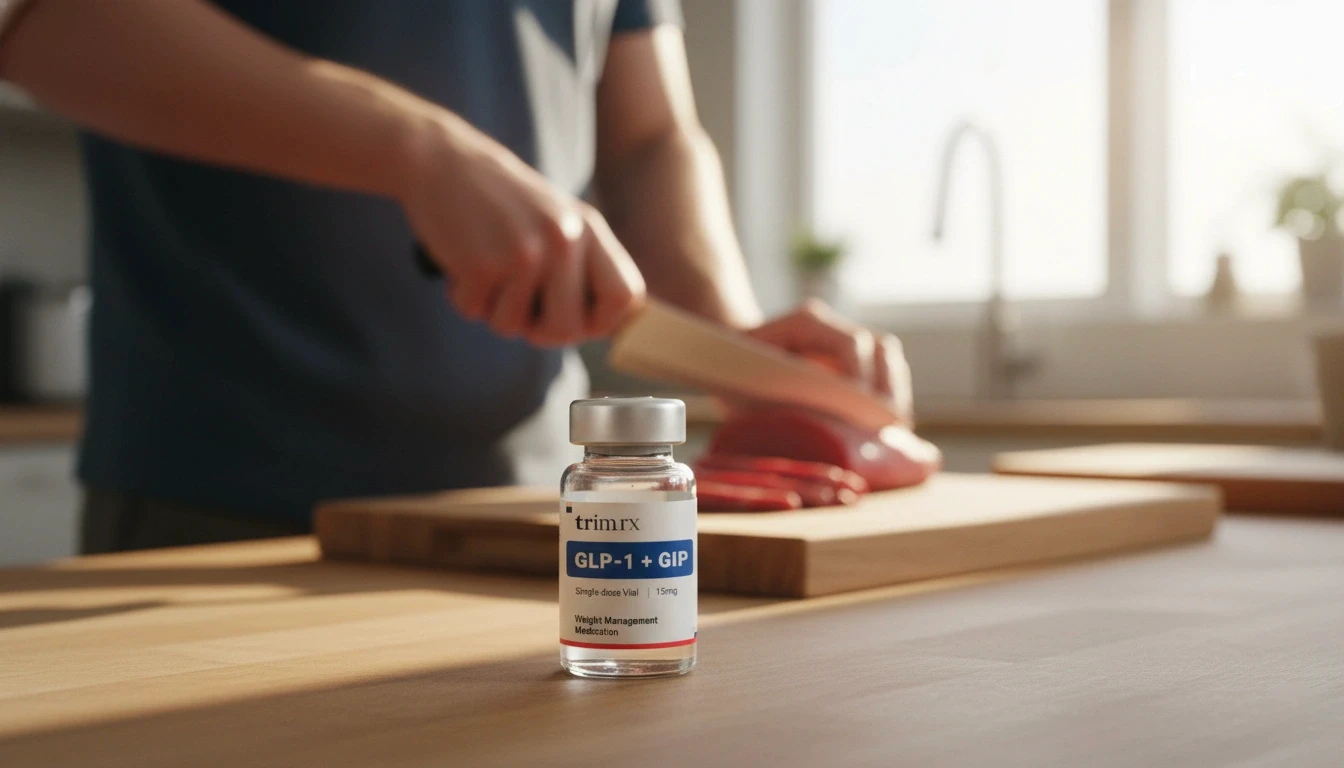
Nausea is one of the most common side effects of **GLP-1 receptor agonist** medications, such as semaglutide (found in Ozempic and Wegovy), tirzepatide (Mounjaro and Zepbound), and others used for type 2 diabetes management or weight loss. These drugs slow gastric emptying, increase feelings of fullness, and affect brain signals related to hunger and digestion, which can lead to queasiness, especially during the early weeks of treatment or after dose increases.
The good news? Nausea is often mild to moderate, tends to improve as your body adjusts (usually within the first few weeks to months), and can be effectively managed with simple lifestyle tweaks, dietary changes, and occasional medical support. Many people continue their medication successfully by following these strategies.
Start Low and Go Slow with Dosing
Most GLP-1 medications begin at a low dose and gradually increase (titration) over weeks or months. This "start low, go slow" approach gives your digestive system time to adapt and significantly reduces nausea.
- Stick closely to your prescribed escalation schedule from **SAPHealth**.
- If nausea flares up after a dose increase, talk to **SAPHealth** about pausing at the current dose longer, slowing the ramp-up, or temporarily stepping back one level.
- Avoid rushing to higher doses—it's not a race, and staying at a tolerable level often yields great results without unnecessary discomfort.
Adjust Your Eating Habits
GLP-1 drugs make your stomach empty more slowly, so overloading it can worsen nausea. Focus on gentler, smaller eating patterns:
- Eat smaller, more frequent meals (e.g., 5–6 mini-meals instead of 3 large ones) rather than big portions.
- Take your time—aim for 20–30 minutes per meal to let fullness signals kick in naturally.
- Avoid skipping meals entirely, as an empty stomach can make morning nausea worse.
- Stay upright for at least 30 minutes after eating to help gravity move food along.
Choose bland, easy-to-digest foods when nausea hits:
- Crackers, toast, pretzels, plain rice, noodles, bananas, applesauce, or broth.
- Cold or room-temperature items like yogurt, gelatin, or popsicles.
- Ginger (tea, chews, or fresh root) or peppermint/mint tea—these have evidence for soothing nausea from various causes.
Avoid common triggers that can amplify symptoms:
- Greasy, fried, or high-fat foods.
- Spicy dishes.
- Very sweet or strong-smelling items.
- Large amounts of fiber-heavy foods early on.
Hydration and Timing Tips
Dehydration worsens nausea, but gulping fluids with meals can add pressure to a slowed stomach.
- Sip fluids slowly throughout the day, preferably between meals (30–60 minutes before or after eating).
- Try ice-cold or hot drinks (like herbal teas) instead of room-temperature ones for better relief.
- Plain water, clear broths, or electrolyte drinks (if needed) help maintain hydration without overwhelming your system.
Natural and Over-the-Counter Remedies
Many find relief with simple additions, and some are backed by scientific evidence:
- **Ginger-based options** (tea, candies, or supplements) are widely recommended. Multiple systematic reviews and meta-analyses support ginger's effectiveness for nausea and vomiting from causes like pregnancy, chemotherapy, and postoperative settings. For example, a meta-analysis of randomized trials found ginger superior to placebo for reducing nausea symptoms in pregnancy-associated cases, with trends toward fewer vomiting episodes. While direct studies on GLP-1-related nausea are limited, ginger's antiemetic properties (e.g., stimulating gastric motility and modulating nausea pathways) make it a reasonable option, often at doses like 250 mg four times daily or as tea.
- **Peppermint tea or mint** can calm the stomach. Systematic reviews and meta-analyses of inhaled or oral peppermint essential oil show promising reductions in nausea severity for postoperative, chemotherapy-induced, and pregnancy-related cases, with significant improvements in symptom scores at various time points (e.g., 2–6 hours post-intervention in some pooled analyses). Evidence is emerging for its relaxing effects on the gut, though more GLP-1-specific research is needed.
- **Acupressure wristbands** (like those for motion sickness) have shown promise in some reports for GLP-1-related nausea. A recent pilot study found that Sea-Band®-style acupressure wristbands (targeting the P6/Nei-Kuan point) provided relief in over 80% of nausea episodes among GLP-1 users, with many experiencing improvement within 5–20 minutes. Broader evidence from chemotherapy and postoperative nausea supports acupressure bands as a safe, drug-free adjunct, often reducing incidence when combined with other strategies.
- Over-the-counter anti-nausea aids (e.g., bismuth subsalicylate like Pepto-Bismol) or others your **SAPHealth** team approves.
When to Seek Support from SAPHealth
If home strategies aren't enough, reach out to **SAPHealth**. They might:
- Prescribe short-term anti-nausea medication (e.g., ondansetron/Zofran or others). Studies on earlier GLP-1 agonists (like exenatide) showed prophylactic antiemetics like ondansetron plus metoclopramide significantly reduced nausea and vomiting without affecting drug levels.
- Adjust your dose or timing.
- Rule out other issues if symptoms are severe, persistent, or include vomiting, severe pain, or dehydration.
Severe or ongoing nausea affects only a minority long-term, and most people see it fade. With patience and these adjustments—including evidence-backed natural remedies—you can often minimize it and keep benefiting from the medication's effects on blood sugar control and weight management.
You've got this—many have navigated this successfully and come out stronger on the other side!
**Medical Disclaimer**
This blog post is for informational and educational purposes only and is not intended to be a substitute for professional medical advice, diagnosis, or treatment. The information provided here regarding GLP-1 receptor agonist medications (such as semaglutide in Ozempic/Wegovy or tirzepatide in Mounjaro/Zepbound), their side effects like nausea, and management strategies is general in nature and based on publicly available research and common recommendations. Individual responses to medications vary widely, and what works for one person may not be appropriate or safe for another.
Do not start, stop, adjust, or discontinue any medication, including GLP-1 agonists or anti-nausea remedies, without first consulting **SAPHealth** or another qualified healthcare professional. If you experience severe, persistent, or worsening symptoms (such as intense vomiting, abdominal pain, dehydration, or signs of serious complications), seek immediate medical attention. Always follow the prescribing information and guidance provided by your **SAPHealth** team.
This content does not replace personalized medical guidance from **SAPHealth** or your healthcare team. Consult them before making any changes to your regimen.


