Feb 12, 2026
Side Effect of GLP-1
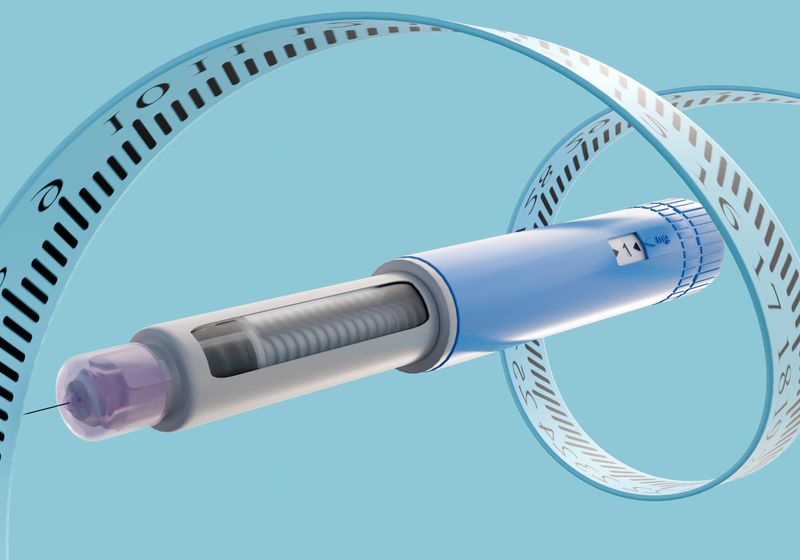
Constipation is a frequent side effect of **GLP-1 receptor agonist** medications, such as semaglutide (found in Ozempic and Wegovy), tirzepatide (Mounjaro and Zepbound), and similar drugs prescribed for type 2 diabetes management or weight loss. These medications slow gastric emptying and overall gut motility to promote fullness and regulate blood sugar, which can lead to slower transit times, harder stools, and fewer bowel movements—often defined as three or fewer per week.
The good news? Constipation is usually mild to moderate, often improves as your body adapts (typically within weeks to months), and responds well to proactive lifestyle changes, dietary adjustments, and targeted remedies. Many users maintain their treatment successfully with these approaches.
Start Low and Go Slow with Dosing
Most GLP-1 medications use gradual dose escalation (titration) to minimize GI issues, including constipation.
- Follow your prescribed escalation schedule from **SAPHealth** closely.
- If constipation worsens after a dose increase, contact **SAPHealth** to discuss extending time at the current dose, slowing the increase, or temporarily reducing it.
- Patience during titration helps your gut adjust without unnecessary discomfort.
Adjust Your Eating Habits
The slowed digestion from GLP-1s means your gut needs extra support to keep things moving.
- **Increase fiber gradually** to 25–35 grams per day (or about 14g per 1,000 calories), focusing on a mix of soluble (e.g., oats, beans, apples, psyllium) and insoluble fibers (e.g., whole grains, vegetables, fruits with skin). Soluble fiber softens stool and adds bulk without overwhelming the slowed system.
- Eat smaller, more frequent meals to avoid overloading the digestive tract.
- Include high-fiber, easy-to-digest options like prunes, kiwi, flaxseeds, chia seeds, or bran when tolerated.
- Avoid very low-fiber or high-protein/low-carb extremes early on, as they can exacerbate issues—balance with veggies and whole grains.
Hydration and Timing Tips
Reduced food intake and fullness can lead to lower fluid consumption, worsening constipation.
- Aim for at least 2–3 liters (about 64–100 ounces) of water daily—more if active. Sip throughout the day rather than large amounts at once.
- Pair increased fiber with extra hydration; without enough fluids, fiber can make constipation worse.
- Try warm fluids (e.g., herbal tea or warm water in the morning) to stimulate motility.
- Consider electrolyte drinks if dehydration is a concern, but prioritize plain water.
Physical Activity and Lifestyle Support
Movement helps stimulate gut motility.
- Incorporate regular physical activity, such as walking after meals, light exercise, or yoga—aim for 30 minutes most days.
- Stay upright and active post-meals to aid digestion.
- Gentle abdominal massage or using a footstool (like a Squatty Potty) for better toileting posture can provide relief.
Natural and Over-the-Counter Remedies
Evidence supports these for managing constipation, including in GLP-1 contexts:
- **Fiber supplements** (e.g., psyllium husk like Metamucil, methylcellulose, or wheat dextrin) add bulk safely when increased gradually with plenty of water.
- **Magnesium-based options** (e.g., magnesium citrate or oxide) draw water into the intestines to soften stools and promote motility—widely recommended for GLP-1-related slowdowns.
- **Osmotic laxatives** like polyethylene glycol (MiraLAX) are often first-line for chronic cases, as they hydrate stool without harsh stimulation and are supported in expert consensus for GLP-1 users.
- Stool softeners (e.g., docusate sodium like Colace) or natural aids like prunes/kiwi can help.
- Other additions like ginger or probiotics show promise in general gut motility studies, though GLP-1-specific evidence is emerging.
Always check with **SAPHealth** before starting supplements or OTC remedies.
When to Seek Support from SAPHealth
If lifestyle changes aren't sufficient, contact **SAPHealth**. They might:
- Prescribe or recommend specific laxatives/stool softeners (e.g., osmotic agents preferred over stimulants for ongoing use).
- Adjust your dose or timing.
- Evaluate for other causes if symptoms are severe, persistent, include pain, bleeding, or no bowel movements for several days.
Constipation affects a notable portion of users (up to 20–35% in some studies, higher in obesity-focused trials), but it's often transient and manageable. Expert consensus (e.g., multidisciplinary guidelines) emphasizes hydration, fiber, activity, and stool softeners/osmotics as key strategies, with dose adjustments if needed. Most see improvement without stopping treatment.
You've got this—many navigate this successfully and sustain the benefits for blood sugar control and weight management!
**Medical Disclaimer**
This blog post is for informational and educational purposes only and is not intended to be a substitute for professional medical advice, diagnosis, or treatment. The information provided here regarding GLP-1 receptor agonist medications (such as semaglutide in Ozempic/Wegovy or tirzepatide in Mounjaro/Zepbound), their side effects like constipation, and management strategies is general in nature and based on publicly available research and common recommendations. Individual responses to medications vary widely, and what works for one person may not be appropriate or safe for another.
Do not start, stop, adjust, or discontinue any medication, including GLP-1 agonists or constipation remedies, without first consulting **SAPHealth** or another qualified healthcare professional. If you experience severe, persistent, or worsening symptoms (such as no bowel movements for several days, severe abdominal pain, bloating, vomiting, blood in stool, or signs of serious complications), seek immediate medical attention. Always follow the prescribing information and guidance provided by your **SAPHealth** team.
This content does not replace personalized medical guidance from **SAPHealth** or your healthcare team. Consult them before making any changes to your regimen.


